How to Sell a Historic Home in Anoka With Confidence
April 23, 2026
April 23, 2026
If you are selling a historic home in Anoka, you already know it is not a cookie-cutter property. Original woodwork, older masonry, vintage windows, and neighborhood context can make your home stand out, but they can also raise pricing questions, repair decisions, and marketing challenges. The good news is that with the right strategy, you can present your home’s character clearly, address the issues buyers are most likely to notice, and position it well in today’s market. Let’s dive in.
Anoka has a well-documented historic identity. The city describes itself as the county’s earliest settlement, notes that it contains many of the historic properties identified in the county survey, and recognizes two Heritage Preservation Districts: Christian Hill and Van Buren, according to the city’s heritage preservation information.
That local context matters when you sell. Buyers are not just comparing square footage and finishes. They are often comparing architectural details, setting, preservation status, and how well the home has been maintained over time.
It also helps to know that not all historic recognition is the same. A property may be in a local historic district, listed on the National Register, or recognized through Anoka’s Historic Plaque Program, which applies to houses over 75 years old and is separate from district or register status.
Before you make exterior updates or finalize your listing plan, confirm whether your home is in a historic district. Anoka’s building permit application asks this directly, and the city notes that the Heritage Preservation Commission reviews renovation and demolition permits.
This step can save you time and money. If you replace siding, roofing, windows, or other exterior features without checking local process requirements, you may create delays when you are trying to prepare the home for market.
Historic homes rarely fit a simple price-per-square-foot formula. In March 2026, Redfin’s Anoka housing market data showed a median sale price of $320,000, about 33 days on market, and an average of four offers. Zillow also reported an Anoka home value index of $326,597 and a median list price of $337,733 for the same period, giving you a useful citywide backdrop.
Those numbers are helpful, but they are not historic-home-specific. For a home in or near Anoka’s older neighborhoods, pricing usually comes down to how buyers weigh original character, documented updates, lot appeal, location near downtown, and any deferred maintenance.
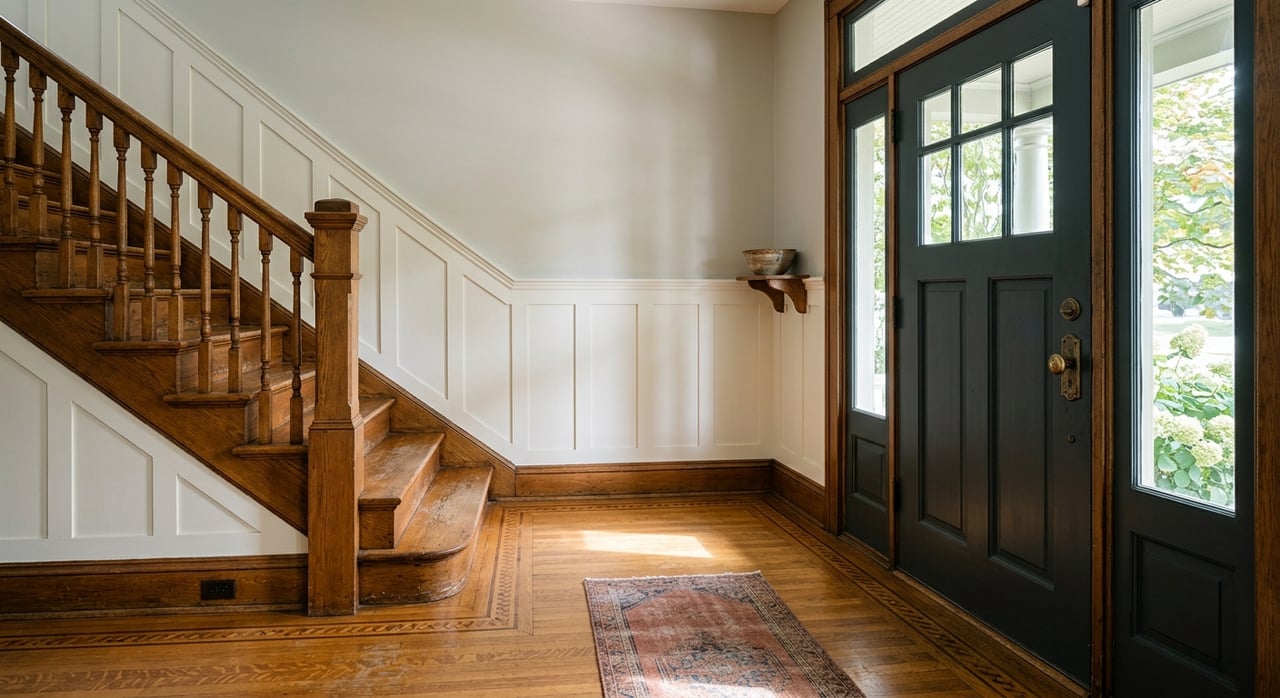
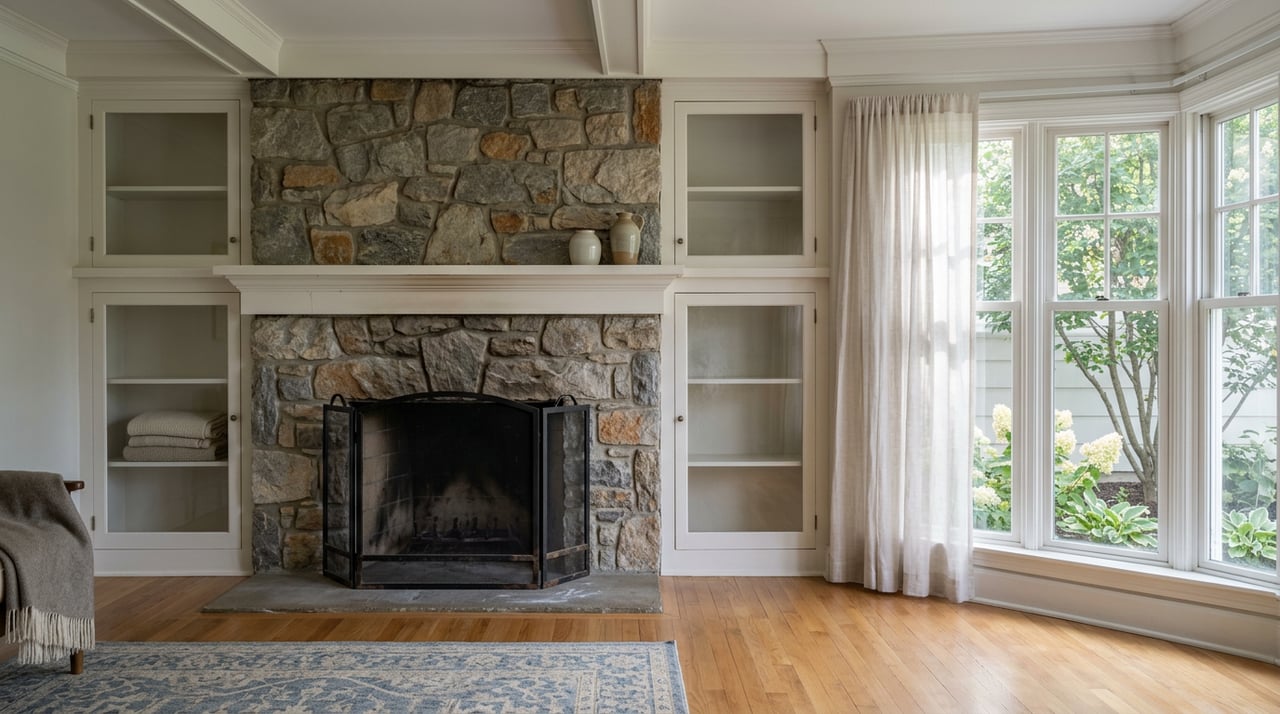
Buyers often pay attention to features that cannot easily be recreated. Original trim, built-ins, fireplaces, porches, staircases, and older masonry can all support value when they are well presented and in sound condition.
At the same time, buyers also factor in future work. If the home needs electrical updates, masonry repairs, moisture correction, or exterior restoration, those costs can affect what buyers are willing to offer.
A historic home can be special without automatically commanding a premium. The strongest pricing position is usually based on visible character, clear upkeep, and realistic comparison to the broader Anoka market rather than emotional attachment alone.
That is especially true in a market where buyers can compare older homes with updated suburban properties nearby. A smart list price should reflect both the home’s uniqueness and the real cost of maintaining older materials.
Historic homes often attract serious buyers, but serious buyers also ask careful questions. The more clearly you understand your home’s likely inspection points, the better prepared you will be to decide what to repair before listing and what to disclose.
If your home was built before 1978, lead-based paint is an important issue. The Minnesota Department of Health says about 75 percent of homes built before 1978 contain some lead-based paint, and the EPA says 87 percent of homes built before 1940 do, according to the state’s lead guidance for homes and remodeling.
The key point is that deteriorating lead paint is the hazard, while paint in good condition is usually not. For most pre-1978 home sales, sellers must disclose known lead information, provide the EPA pamphlet, allow a 10-day opportunity for testing, and keep signed acknowledgments.
You are not automatically required to remove lead paint before selling. Still, if you know there are peeling or damaged painted surfaces, it is wise to address them early or be ready for buyers to negotiate around that condition.
Older homes may also contain asbestos in materials such as floor tiles, ceiling products, pipe or boiler insulation, roofing, siding, plaster, and window glazing. The Minnesota Department of Health explains in its asbestos in homes guide that many housing inspectors do not test for asbestos by default.
This matters if you are planning repairs before listing. If asbestos-containing material is damaged or will be disturbed during remodeling, EPA guidance cited by MDH says repair or removal should be handled by a trained and accredited professional.
Minnesota weather can be hard on older homes. The University of Minnesota Extension notes in its ice dam prevention guidance that ice dams can force water under roofing and into walls, ceilings, and insulation.
Basement moisture is another common issue in existing homes. Extension recommends starting with gutters, downspouts, grading, and drainage corrections before relying on coatings or dehumidifiers alone.
If your historic home has a basement with signs of dampness or an attic with past leak evidence, those are worth addressing before buyers get to the inspection stage. Clear evidence of moisture control can improve confidence.
Older electrical systems may not be designed for modern demand. The Consumer Product Safety Commission notes that older wiring systems can wear out and may not handle today’s appliance loads well, which makes electrical review an important part of sale prep.
In Anoka, masonry can be just as important as interior systems. The city’s heritage materials note that some downtown brick buildings built after the 1884 fire used soft brick that can deteriorate with changing weather conditions, so exterior brick condition may be a meaningful buyer concern.
Not every repair project will pay off before listing. Historic sellers usually benefit most from work that improves safety, function, and buyer confidence while preserving original character where possible.
Consider focusing on:
The National Park Service’s rehabilitation standards support retaining historic character, preserving distinctive materials and craftsmanship, and repairing deteriorated features when possible rather than replacing them outright.
That approach can also make practical marketing sense. Buyers looking at a historic home in Anoka often respond better to careful stewardship than to generic updates that erase the home’s personality.
If you are deciding whether to complete repairs before listing, it may be worth reviewing local programs. Anoka’s Housing and Redevelopment Authority says it offers home improvement loans and rebates for homeowners, along with a fire suppression program for property owners in the historic downtown.
These resources will not fit every seller’s timeline, but they are worth knowing about when planning improvements. They may help you decide whether to tackle certain projects before your home hits the market.
Many owners assume a historic home automatically qualifies for major tax incentives. In reality, the Minnesota Historic Structure Rehabilitation Tax Credit is narrower than many people expect.
The state credit applies to qualified historic rehabilitations that are approved before work begins, and the completed project must be income-producing. The National Park Service also states that owner-occupied residential properties do not qualify for the federal rehabilitation tax credit, so most typical home sale prep projects will not be subsidized this way.
Historic-home marketing works best when it is specific, visual, and credible. Buyers want to understand what makes the home special, what has been maintained, and how the space lives today.
In many Anoka historic homes, the best marketing assets are already there. Wood trim, built-ins, fireplaces, porches, staircases, and masonry details should usually be presented as selling points rather than hidden behind overly trendy staging or renovation choices.
This lines up with National Park Service guidance that encourages retention of distinctive materials and craftsmanship. When your home’s character is part of the value, your photos and listing language should make that obvious.
According to the National Association of Realtors’ 2025 staging report, 83 percent of buyers’ agents said staging helped buyers visualize a home as their future residence, 29 percent said staging increased the dollar value offered by 1 to 10 percent, and 49 percent said it reduced time on market.
For a historic home, the goal is not to make it look like a brand-new house. The goal is to help buyers understand room function, scale, and flow while keeping period details visible.
The rooms most commonly staged are the living room, primary bedroom, dining room, and kitchen. Those spaces are often the best places to balance warmth, simplicity, and architectural character.
Historic buyers tend to appreciate transparency. Clean, well-lit photography should show both the charm of the home and the way spaces actually feel, especially if room sizes or layouts differ from newer homes.
That same honesty should carry into your disclosures. Buyers are more likely to stay engaged when they feel the home has been represented accurately from the start.
Lifestyle marketing can also support your sale. Anoka notes that its historic downtown includes active shopping, dining, and living amenities, so it is appropriate to market proximity to downtown conveniences, parks, and the surrounding setting when relevant.
That gives buyers a fuller picture. They are not only buying an older home. They may also be buying into a walkable or near-downtown lifestyle with strong local identity.
If you want a smoother sale, it helps to break the process into a few clear steps.
A good historic-home sale usually comes down to one idea: charm plus proof. When your home shows visible character, sensible maintenance, and a clear pricing strategy, buyers have an easier time seeing both its beauty and its value.
If you are getting ready to sell a historic property in Anoka, working with a local, detail-oriented brokerage can help you sort through pricing, prep, and presentation. Connect with Epic Realty Inc for practical guidance and a local strategy tailored to your home.
October 15, 2026
October 8, 2026
October 1, 2026
September 24, 2026
September 17, 2026

September 10, 2026
September 3, 2026
August 27, 2026
August 20, 2026
We’re here to work alongside you to help you make informed decisions when buying or selling your home or investment. Contact us to get started today.