Buying Acreage in Dayton MN: A Wells, Septic & Zoning Guide
February 19, 2026
February 19, 2026
Dreaming about elbow room, a future barn, or space for a small hobby farm in Dayton? Buying acreage is exciting, but it comes with extra homework on zoning, wells, septic systems, and access. The good news: with a clear checklist and the right contacts, you can move forward with confidence. In this guide, you’ll learn the key steps to verify zoning, what to request for wells and septic, and which permits and overlays can affect your plans. Let’s dive in.
Before you fall in love with a property, confirm how the city classifies it and what you can do there. The City of Dayton is the primary authority for zoning, future land use and building permits. Begin with the city’s Planning and Zoning resources and ask staff to verify your parcel’s district and any upcoming plan changes.
Acreage near the Mississippi or other water features can be subject to riverway, shoreland or floodplain rules. Overlays can increase setbacks, restrict new drainfields, and require additional review. Pull overlay layers through city or county GIS, and confirm with staff before you assume a building site or expansion is possible. For riverway guidance, review Minnesota’s river-related rules to understand why shoreline parcels often have added requirements.
Most acreage properties rely on a private well. Minnesota requires sellers to disclose the number and status of wells and file a well disclosure certificate at property transfer. Ask the seller for any prior disclosure certificate, well construction logs, sealing records and recent water test results. You can review state guidance on well disclosure, records and testing through the Minnesota Department of Health.
For peace of mind and potential lender needs, plan to test for at least total coliform bacteria, nitrate, and arsenic, and consider lead. If you notice staining or odor, testing for iron and manganese can help you understand treatment needs. Use an MDH-certified laboratory and keep copies of all results for your records.
Minnesota does not require a state well inspection at sale, but it is smart to hire a licensed well contractor to check the wellhead, casing, pump, pressure system and, if needed, conduct a basic yield test. Well siting has to meet state isolation distances from septic systems, drainfields and other potential contamination sources. If you plan a new well or additions that change your site layout, confirm possible well locations with a licensed contractor and review MDH guidance on well placement and setbacks.
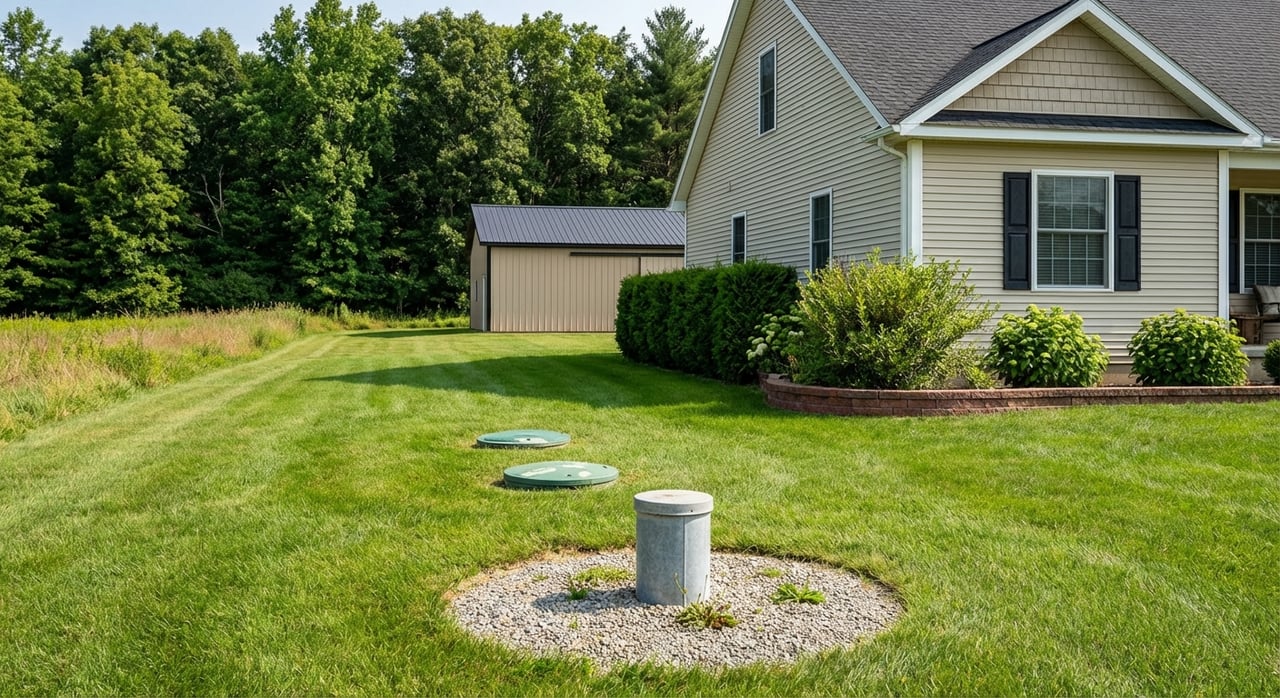
If the property is not on city sewer, you will rely on a Subsurface Sewage Treatment System, often called a septic system. In Dayton, the city administers its own program for properties inside city limits. Hennepin County runs the program in areas or cities that do not. When you start due diligence, verify which office holds records for your parcel and request any permits, as-builts, and inspection history. You can find the county’s septic program overview or contact the City of Dayton’s Public Works page for local requirements and contact info.
Hennepin County’s SSTS Ordinance 19 incorporates state rules and spells out when a compliance inspection is required, such as certain building permits in shoreland or when adding a bedroom. Certificates of compliance for existing systems are generally valid for a set period, and the ordinance specifies three years for most existing systems. Dayton’s Public Works guidance states that private septic systems must be inspected and pumped once every three years by a licensed professional, and maintenance reports should be submitted to the city. If you are buying, ask for the most recent inspection and pumping records and any compliance certificate on file.
If there is no documentation, plan for a licensed compliance inspection as part of your offer. Many lenders require it. If repairs are likely, talk with your agent about escrow or repair holdbacks to keep the deal on track while ensuring the system meets standards.
If you are planning a barn, arena, detached garage or large workshop, confirm the rules before you buy. Dayton’s zoning code treats accessory buildings as regulated uses. Size, height and location can be limited by the district, and larger or taller structures may need a conditional use permit. Review the accessory-use section of the zoning code and verify the exact limits with the city planner for your specific parcel.
Most permanent structures, and any structure with utilities, will require a building permit. Check the city’s permits and building department resources or call Community Development for submittal requirements and timelines. When siting an outbuilding, respect well and septic separation distances and keep the drainfield and future replacement area clear. If your planned building area overlaps a drainfield, you will likely need a redesign or system relocation that adds cost. Hennepin County’s SSTS Ordinance 19 explains why separation from treatment areas matters and when a review is required as part of a building permit.
Access and utilities can change your budget and timeline. If your driveway connects to a county road or you plan to add a new entrance, Hennepin County requires a driveway or access permit. City roads will require a city permit. Confirm which road authority serves the frontage before you plan improvements. For water and sewer, some areas of Dayton have municipal service while others rely on private systems. Check the city’s water and sewer page to confirm availability and any connection requirements or fees before assuming public utilities are an option.
Use this checklist to keep your offer clean and your closing smooth. Add items as contingencies where needed.
Acreage in Dayton offers room to breathe and space to grow, but success starts with smart due diligence. Confirm your zoning and overlays, collect well and septic records, plan for the right inspections, and map out where future buildings and systems can go. With clear steps and local contacts, you can protect your budget and timeline while keeping your long-term plans on track.
If you are weighing options or want help building the right contingencies into your offer, our local team is here to help. Reach out to Epic Realty Inc for buyer representation tailored to Dayton acreage and hobby-farm properties.
October 15, 2026
October 8, 2026
October 1, 2026
September 24, 2026
September 17, 2026

September 10, 2026
September 3, 2026
August 27, 2026
August 20, 2026
We’re here to work alongside you to help you make informed decisions when buying or selling your home or investment. Contact us to get started today.