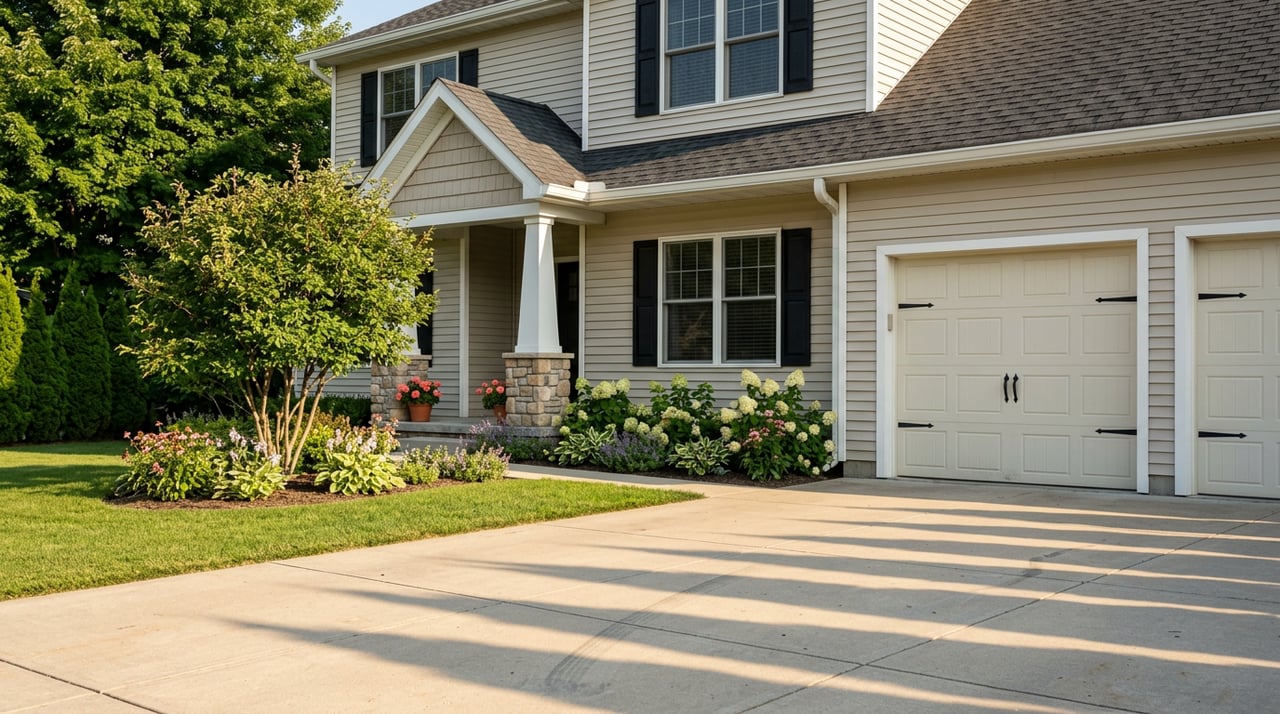
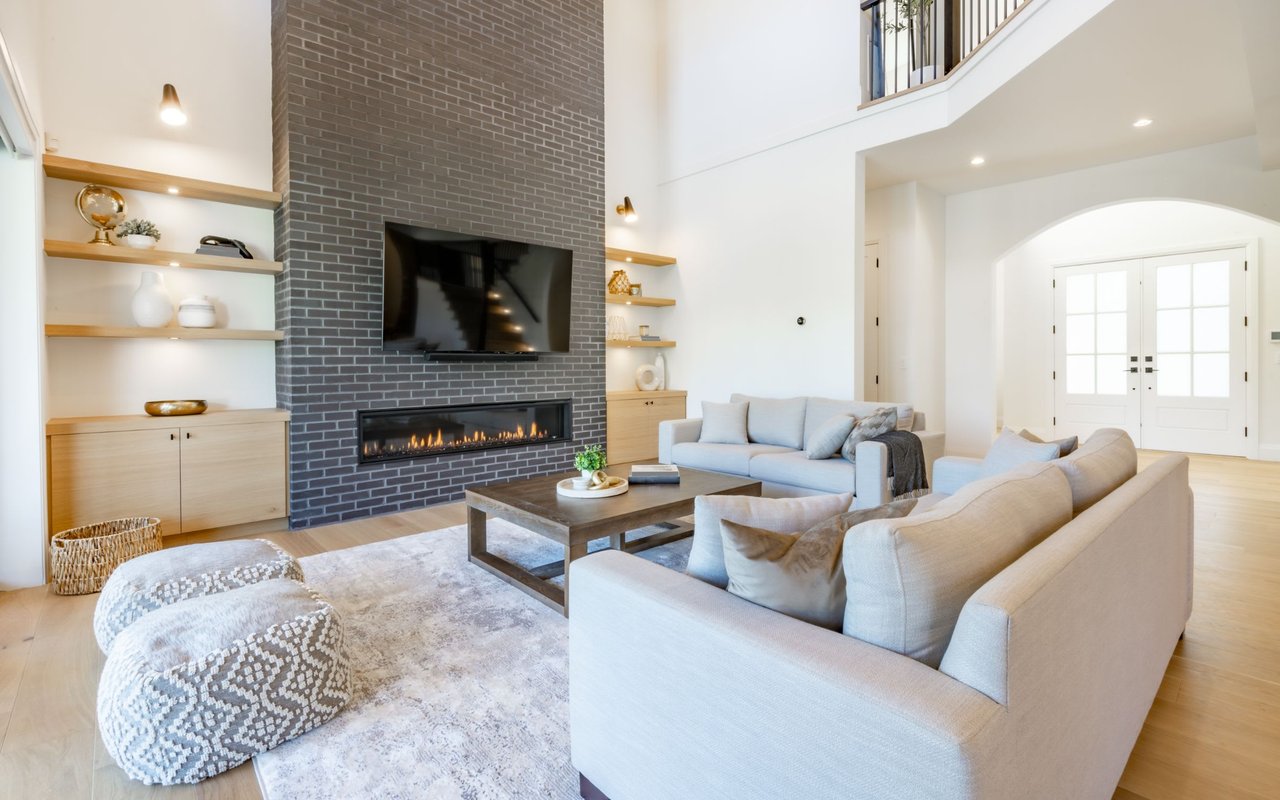
Thinking about selling your split-level in Ham Lake but unsure where to price it? You are not alone. Split-entry and split-level homes can be tricky because finished space is counted differently and lot types vary widely across Anoka County. In this guide, you will get a simple framework to pick the right comps, make smart adjustments, decide on upgrades, and time your listing for Minnesota’s seasons. You will also get a fill-in worksheet that makes your broker’s CMA faster and more accurate. Let’s dive in.
Know your split-level type
Before you talk numbers, define your home clearly. Split-entry and split-level layouts vary in how space is finished and how buyers see the flow. Note your main-floor square footage, how much of the lower level is finished, and whether the lower level has legal egress. Record garage type and capacity, and any grade changes that affect curb appeal or access.
Be precise about what is above-grade versus below-grade. Many MLS systems list finished lower-level area separately. That difference matters for both buyers and appraisers.
Build a Ham Lake pricing framework
Start with local facts
Gather the local details that shape price in Ham Lake and nearby Anoka County neighborhoods:
- Recent split-level sales and current listings from the last 90 to 180 days.
- Direction of prices and days on market for similar homes.
- List-to-sale price patterns for your segment.
- Property taxes, any special assessments, and parcel details.
- Lot size and usability, including wooded areas, wetlands, and proximity to lakes.
- Utilities and systems, including septic or well if applicable.
Treat MLS data and county records as your home base for comps and legal facts. Public portals can be helpful for a quick scan but may mislabel finished lower-level space.
Pick true comps in Ham Lake
Use a tight radius that starts in Ham Lake. If sales are thin, expand to nearby parts of Anoka County with similar lots. Prioritize homes with the same entry type and similar floor plans. Match condition and effective age as closely as possible.
Focus on the most recent sales within 90 to 180 days. If you need to go back as far as 12 months, be ready to apply time adjustments. Verify how each comp counted finished square footage so you are comparing like to like.
Make clear adjustments
Adjustments should be simple, local, and documented. Common categories include:
- Above-grade living area and finished lower-level area, priced separately because they carry different values per square foot.
- Bedrooms and bathrooms, with flat-dollar adjustments.
- Lot size and usable acreage, including drainage or wetlands.
- Garage capacity, storage, and outbuildings where applicable.
- Recent updates to kitchen, baths, windows, roof, HVAC, and siding.
- Outdoor amenities like decks or patios, and overall condition.
Derive your per-square-foot numbers from the most comparable sold homes. Keep a written rationale for each adjustment so the CMA reads as a clear, step-by-step case.
Factor split-level nuances
In split-levels, a functional lower level with egress and a usable family area boosts marketability. Floor plan flow and sightlines can affect buyer perception compared with the same square footage in other styles. Consider accessibility since stairs right at the entry can limit appeal for some buyers. Document mechanical ages and insulation since energy efficiency is a key concern in Minnesota.
What to update before listing
Target updates that buyers in this area tend to value and that appraisers can credit. Prioritize in this order:
- Kitchen refreshes. Paint or reface cabinets, update counters and hardware, and choose neutral finishes that match neighborhood norms.
- Bathrooms. New fixtures, tile, and vanities improve perceived condition and limit buyer requests.
- Mechanical systems and insulation. Newer furnace, water heater, and efficient windows help in cold months. Keep receipts and warranty info.
- Main-floor cosmetics and flooring. Fresh paint and clean, updated flooring set the tone.
- Lower-level improvements. Add a legal egress bedroom or finish a family room if it is cost-effective and permitted.
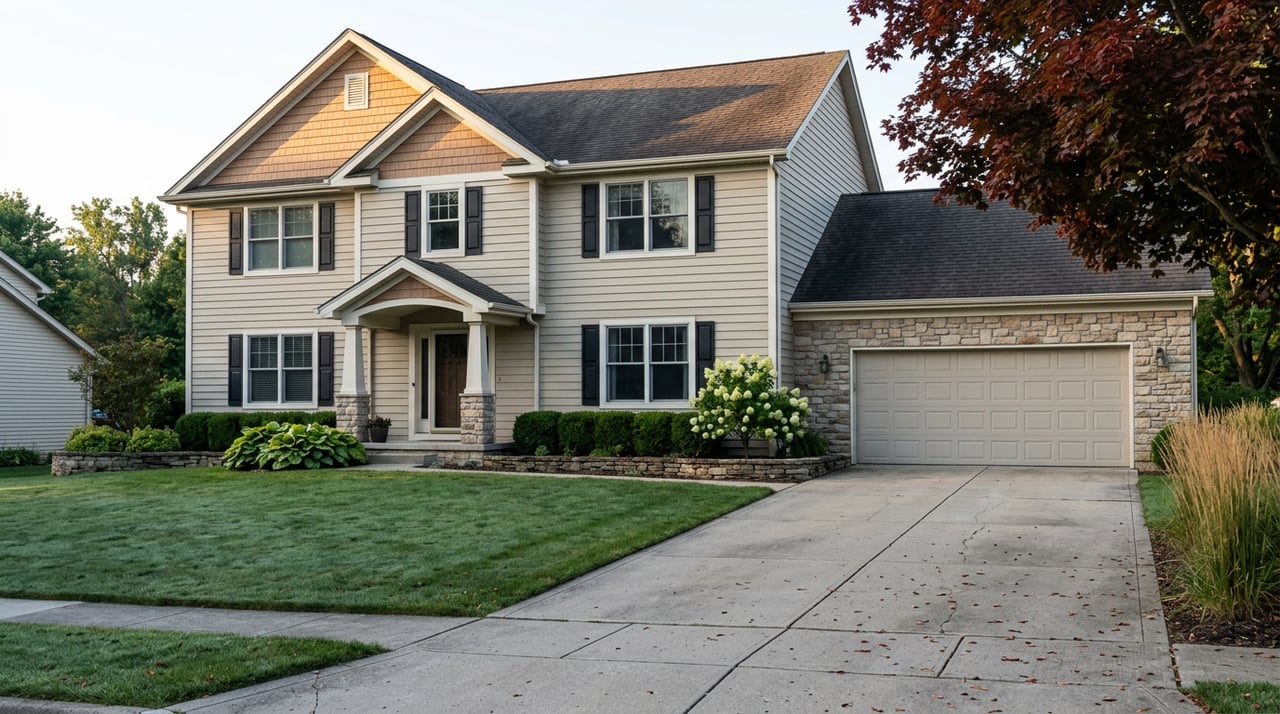
- Curb appeal. Clear sight lines, tidy landscaping, and practical driveway access make a strong first impression.
- Garage and storage. Good lighting and functional doors matter to buyers.
Avoid high-end customization that overshoots the neighborhood. Do not add a bedroom without proper egress or permits. Unpermitted work can reduce value or complicate closing.
Seasonality in Ham Lake
Minnesota’s seasons shape buyer traffic and showing conditions. Plan your strategy around these patterns:
- Spring, late March through June. Often the busiest season, with stronger buyer traffic and improved curb appeal.
- Summer, June through August. Activity stays solid; outdoor spaces show well.
- Fall, September through November. Moderate activity with fewer competing listings.
- Winter, December through February. The slowest period, but motivated buyers do shop. Prioritize interior staging, great photos, and realistic pricing.
Pricing by season matters. Compare spring sales to spring, and winter to winter when possible. In colder months, expect more price sensitivity. If traffic is slow but interest exists, consider short-term incentives like closing credits or flexible possession instead of a price cut.
For winter showings, keep driveways, steps, and the split-entry clear and safe. Good lighting and warm staging can make a big difference.
Your seller CMA worksheet
Use this worksheet to organize details before your broker-led CMA. Bring it to your listing meeting.
Fill these property facts
- Subject address
- Year built
- MLS or parcel ID
- Town or neighborhood
- Lot size (acreage or square feet)
- Above-grade finished square feet
- Finished lower-level square feet (below-grade)
- Total finished square feet
- Total bedrooms
- Total bathrooms (full and half)
- Garage type and capacity
- Foundation type
- Lower-level egress windows (yes or no)
- Mechanical ages and year replaced (furnace, water heater, A/C, roof)
- Recent major upgrades with years and receipts
- Permits for remodels (yes or no, which work)
- Overall condition
- Known issues or deferred maintenance
Add neighborhood and market notes
- Closest comparable streets or pockets
- Proximity to highways and lakes
- Recent local sales you know of with address and date
Bring these documents
- Tax statement, plat map, and survey if available
- Recent utility bill for heating costs
- Photos of each level, including mechanicals
- Any recent appraisal or inspection reports
- Receipts, permits, warranties, and before-and-after photos
How your broker will use it
- Confirm the property facts and walk the home.
- Pull 3 to 6 sold comps and 1 to 3 active or pending listings.
- Calculate local per-square-foot values for above-grade and below-grade space using the closest matches.
- Apply adjustments line by line and present a supported list price range with a likely timeline.
- Choose a strategy: aggressive pricing to spark multiple offers, market-value pricing for steady traction, or testing higher only when data supports it.
Pricing strategy options
Pick a strategy that fits the data and your goals:
- Aggressive pricing. List slightly below the tight comp range to attract multiple offers and better terms.
- Market-value pricing. List within the supported range for consistent traffic and solid negotiation leverage.
- Stretch pricing. Only consider this if you have strong evidence, such as scarce inventory of near-identical homes. Monitor feedback and be ready to adjust.
In slower months, consider incentives like flexible closing or a modest credit instead of large price reductions. Keep your pricing aligned with the most recent, most similar sales.
Common pitfalls to avoid
- Mixing unlike comps, such as two-story homes or different entry types.
- Treating finished lower-level space at the same value per square foot as above-grade without evidence.
- Ignoring lot usability, wetlands, or heavy tree cover that affects how the land is used.
- Relying on outdated comps when the market has shifted.
- Listing with unpermitted work or unclear bedroom egress. Disclose and permit where possible.
Next steps
If you are ready to price your split-level in Ham Lake, start with the worksheet and recent local comps. The right list price is a data story that your broker should be able to show line by line. When you combine accurate facts, a clear adjustment method, targeted updates, and smart timing, you set yourself up for a confident sale.
Want a broker-led CMA and pricing plan tailored to your home? Connect with the local team at Epic Realty Inc to get your free home valuation.
FAQs
How are split-levels valued compared with ranch or two-story homes?
- Appraisers and buyers weigh usable finished area, floor plan function, and accessibility. Finished lower-level space often carries a different value per square foot than above-grade, so matching plan type in comps is important.
Should I finish my basement before selling a Ham Lake split-level?
- It depends on cost, permits, and demand. A properly permitted lower level with legal egress usually boosts marketability and price; unpermitted or partial finishes add limited value and can slow a sale.
How much value does a refreshed kitchen add in Ham Lake?
- The premium depends on neighborhood norms and scope. Minor to moderate cosmetic updates tend to recoup more than high-end remodels that overshoot nearby comps.
What is the best season to list a split-level in Ham Lake?
- Early spring often brings the most buyers and strongest competition, but accurate pricing and good condition matter in every season.
How detailed should comp adjustments be for split-level homes?
- Be as detailed as your local MLS data allows. Separate above-grade and below-grade values and use flat-dollar adjustments for features. Document your sources and logic so the CMA is easy to follow.