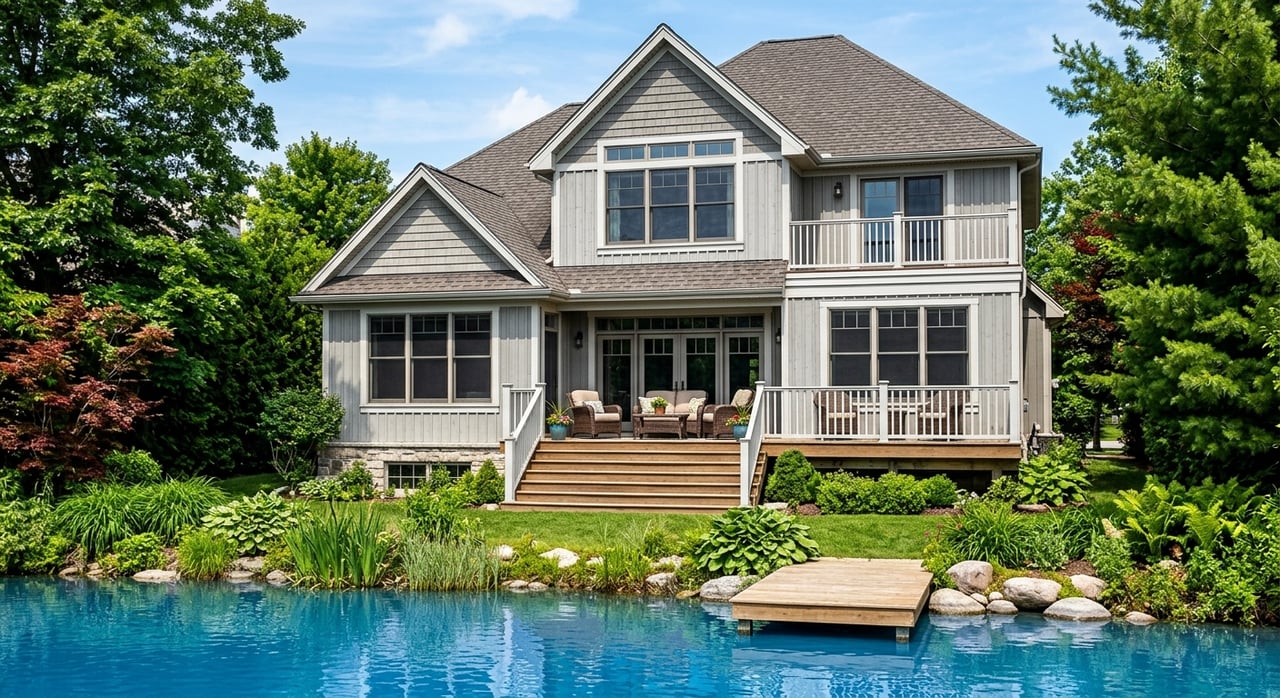
Ham Lake Lake Home Buying Guide: Inspections and Financing
May 21, 2026
May 21, 2026
Lake homes can feel like a dream purchase, but they also come with details that can surprise even careful buyers. If you are looking at a lake property in Ham Lake, you need more than a standard home tour and a quick financing quote. You need to understand shoreline rules, private utilities, and how lenders may view the property. This guide walks you through the key issues to check before you buy, so you can move forward with more confidence. Let’s dive in.
A lakefront property in Ham Lake is not always like a typical suburban lot. Shoreland rules, lot shape, water access, septic setup, and well conditions can all affect what you can do with the property now and later.
Ham Lake’s shoreland ordinance applies to several public waters in the city, including Ham Lake, Lake Netta, Coon Lake, Little Coon Lake, and Mallard Lake. Setback standards can vary based on the lake class and whether the property is served by sewer. That means you should verify the exact parcel details before assuming an addition, garage, deck, or shoreline project will be simple.
Minnesota shoreland regulations are administered by the local zoning authority, and local rules can be more restrictive than statewide minimums. In Ham Lake, that makes city-level zoning review an important part of your due diligence.
If you hope to expand the home, add a larger garage, build a deck, or change the shoreline area, setbacks and other limits may shape your options. A property that works well for your lifestyle today may not support the project you want in two years.
State shoreland rules cap impervious surface coverage at 25 percent of lot area. Impervious surfaces can include items like roofs, driveways, and other hard surfaces that do not absorb water.
This matters because a lake home with a large house footprint, detached structures, and paved areas may already be close to the limit. If that is the case, future improvements could become harder to approve.
A single water-oriented accessory structure may be allowed within the setback area, but the standards are narrow. State guidance and Ham Lake’s ordinance describe a structure limited to 250 square feet, less than 10 feet in height, and at least 10 feet from the ordinary high water level.
These details matter if you are picturing a small lakeside structure for storage or recreation. Even when something may be allowed, size, placement, and utility connections can affect whether it fits the ordinance.
For a lakefront purchase, a survey or plot plan can be one of the most useful documents in the file. It can help you understand setbacks, bluff impact zones, and whether any features are nonconforming.
That becomes especially important if you are already thinking about changes to the property. If your plans may not fit the ordinance, it is smarter to talk with Ham Lake zoning early rather than wait until after closing.
In Ham Lake, septic systems need close attention during a purchase. The city requires SSTS compliance inspections for new or replacement systems, bedroom additions, and subdivision or lot-split situations, and every SSTS must be inspected at least once every three years.
As a buyer, ask for the latest compliance inspection and pumping record. It is also important to confirm whether the system is standard or nonstandard, because that can affect maintenance, repair planning, and your comfort level with the property.
Anoka County says septic permitting for municipal properties is handled at the city level. For a Ham Lake property, that means the city may have the main septic file.
In practical terms, you should review the seller’s records, city permit history, and the inspection report together. That combination often gives the clearest picture of the system’s age, status, and any past issues.
Minnesota requires well disclosure before a purchase agreement is signed and again at closing when the certificate of real estate value is recorded. That disclosure is an important starting point, but it is not the same as a full water-quality review.
The state does not require private well water testing at transfer. Even so, the Minnesota Department of Health recommends annual coliform and nitrate testing, arsenic testing at least once, and lead testing at the tap at least once.
Anoka County offers private well testing kits, and Ham Lake City Hall is listed as a pickup location. The county also notes that an annual coliform test is a good way to help confirm that private drinking water remains safe.
For many buyers, recent water test results can provide peace of mind. If the seller does not have them, it may be worth discussing testing during your inspection period.
Lake homes are shaped by changing conditions over time. The Minnesota DNR says fluctuating lake levels can affect shoreline erosion, water accesses, septic systems, wells, structures, and roads.
That is why it helps to review lake-level and outlet information before buying. A land survey can also help you understand the elevation of improvements that may be more vulnerable during higher water periods.
Minnesota winters can be hard on lakeshore improvements. The DNR says ice heaving, also called ice jacking, can damage retaining walls, docks, boat lifts, and cabins.
As you evaluate a property, ask whether the seller has dealt with repeated winter damage. Improvised shoreline repairs or visible patchwork near the water can be signs that deserve a closer look.
A heavily cleared lawn right to the water may look neat at first glance, but it can come with more erosion risk and more maintenance. The DNR recommends preserving or restoring natural shoreline vegetation because it helps hold soil in place, slow runoff, and filter nutrients.
If you see more natural vegetation along the shore, that can be a practical benefit rather than a drawback. On many lake lots, shoreline stability matters as much as appearance.
Ham Lake’s ordinance requires low floors and water-oriented accessory structures to account for high water, ice action, and wind-driven waves. That is a reminder that drainage and elevation are not minor details on a lakeshore purchase.
When you tour the property, pay attention to grading, low areas, signs of standing water, and how improvements sit relative to the lake. Those clues can help you spot questions to raise before you commit.
If the Ham Lake lake home will be your second home, your financing may look different than it would for a primary residence. Freddie Mac’s current purchase guidelines allow a maximum 90 percent loan-to-value ratio for a second-home purchase through that conventional channel.
In simple terms, that often means at least 10 percent down. For buyers comparing a suburban primary home purchase with a waterfront second home, that difference can change the budget quickly.
FHFA’s 2026 county table shows the one-unit conforming loan limit in Anoka County at $832,750. If your first mortgage amount goes above that figure, the loan is generally considered jumbo.
Jumbo mortgages can cost more, so it is wise to discuss the expected loan size with your lender early. A beautiful lake property can cross that threshold faster than many buyers expect.
For a Ham Lake lake home, it helps to clarify financing details before you write an offer. Start with these questions:
Those answers can shape not only your monthly payment, but also how competitive and realistic your offer will be.
If a well or septic issue shows up during inspections, Ham Lake points buyers to the county well and septic loan program and AgBMP loans. These programs can help with needed repairs, but they are financing tools, not free assistance.
That means you should treat them as part of your overall cost picture. If repairs are likely, build that conversation into your closing budget instead of leaving it as a last-minute surprise.
Before you write an offer, try to get clear answers to these questions:
These questions can help you spot issues early, compare properties more accurately, and write a cleaner offer.
Buying a lake home in Ham Lake can be incredibly rewarding, but it works best when you go in with clear eyes. Shoreland rules, septic and well details, shoreline condition, and financing structure all deserve close review before you commit.
At Epic, we believe specialty properties deserve practical guidance from the start. If you are thinking about buying a lake home in Ham Lake and want local, straightforward help navigating the details, connect with Epic Realty Inc.
October 15, 2026
October 8, 2026
October 1, 2026
September 24, 2026
September 17, 2026

September 10, 2026
September 3, 2026
August 27, 2026
August 20, 2026
We’re here to work alongside you to help you make informed decisions when buying or selling your home or investment. Contact us to get started today.